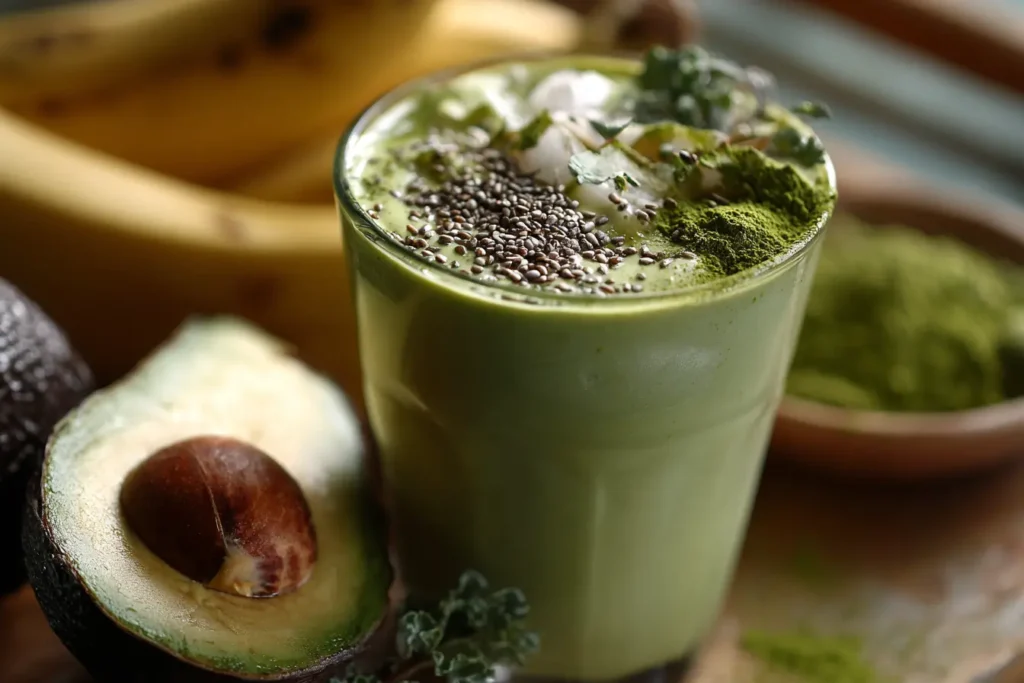
Have you ever wondered if there’s a natural alternative to expensive weight loss medications that harnesses centuries of Eastern wisdom? What if the secret to supporting your weight loss journey was hiding in traditional Japanese ingredients all along?
Today, I’m excited to share a Japanese Mounjaro recipe that draws inspiration from traditional Japanese wellness practices. This natural tonic combines powerful metabolism-boosting ingredients that have been used for generations in Japan to support digestive health and weight management.
While the pharmaceutical Mounjaro (tirzepatide) works through GLP-1 pathways, this natural recipe incorporates ingredients that may support similar metabolic processes without prescription medications. Let’s explore how Eastern wisdom meets modern nutrition science in this revitalizing tonic.
Ingredients List
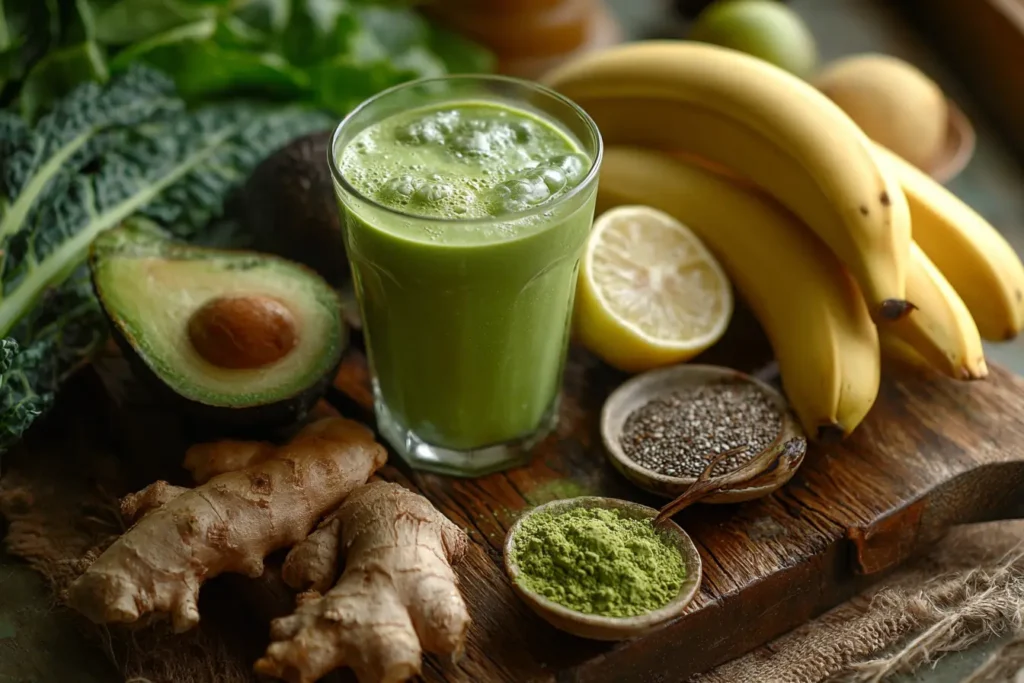
The power of this Japanese Mounjaro recipe comes from its carefully selected ingredients, each chosen for specific health-promoting properties. Here’s what you’ll need:
- 2 tablespoons high-quality matcha powder – The cornerstone of this recipe, matcha contains potent catechins that support metabolism
- 1 tablespoon apple cider vinegar – Helps stabilize blood sugar levels (substitute with rice vinegar for a more authentic Japanese flavor)
- 1 cup unsweetened almond milk – Low-calorie base (substitute with soy milk for added protein)
- 1/4 cup fresh ginger, grated – Aids digestion and reduces inflammation
- 1 tablespoon miso paste – Fermented soybean paste rich in probiotics
- 1 teaspoon kuzu root starch – Traditional Japanese thickener that supports digestive health (substitute with arrowroot powder)
- 1 tablespoon yuzu juice – Vitamin C-rich citrus (substitute with lemon juice)
- 1/2 teaspoon wakame seaweed flakes – Rich in iodine and minerals that support thyroid function
- 1 teaspoon honey or monk fruit sweetener – For balanced sweetness
- Pinch of cinnamon – Helps regulate blood sugar
Timing
- Preparation Time: 10 minutes
- Cooking Time: 5 minutes
- Total Time: 15 minutes
This Japanese Mounjaro recipe takes just 15 minutes to prepare, which is significantly faster than the average health tonic (typically 30+ minutes). The quick preparation time makes it practical for daily consumption, even during busy mornings.
Step-by-Step Instructions
Step 1: Prepare the Matcha Base
Sift the matcha powder into a small bowl to remove any clumps. Add 1/4 cup of hot (not boiling) water and whisk vigorously in a zigzag motion using a bamboo whisk or small regular whisk until frothy. This traditional preparation method maximizes matcha’s green tea metabolism booster properties.
Step 2: Create the Fermented Element
In a separate bowl, dissolve the miso paste in 2 tablespoons of warm water. Stir gently until completely smooth. The live cultures in miso provide probiotic benefits that support gut health, which is increasingly linked to weight management in scientific research.
Step 3: Prepare the Ginger Infusion
Place the grated ginger in a small saucepan with 1/4 cup water. Bring to a simmer over medium heat, then reduce heat and let it steep for 3 minutes. Strain the liquid, discarding the ginger solids. This extraction method preserves ginger’s bioactive compounds.
Step 4: Combine the Core Elements
In a blender, combine the matcha mixture, miso solution, and ginger infusion. Add the almond milk, apple cider vinegar, and yuzu juice. Blend on low speed for 30 seconds until well incorporated but not overly aerated.
Step 5: Activate the Kuzu
In a small bowl, dissolve the kuzu root starch in 1 tablespoon of cold water. Add this mixture to a small saucepan and heat gently until it turns translucent. This traditional Japanese technique creates a silky texture while adding digestive benefits.
Step 6: Complete the Tonic
Add the dissolved kuzu to the blender along with the wakame flakes, sweetener, and cinnamon. Pulse briefly to combine. The wakame provides essential minerals that support metabolic function and thyroid health.
Step 7: Serve and Activate
Pour into a glass and let sit for 2 minutes to allow the flavors to meld. Consume immediately for maximum benefits. For optimal results, drink on an empty stomach 30 minutes before breakfast.
Nutritional Information
This natural tonic provides significant nutritional benefits while supporting weight management goals:
Per Serving (approximately 12 oz):
- Calories: 95
- Protein: 3g
- Carbohydrates: 12g
- Fiber: 2g
- Sugar: 5g (primarily from natural sources)
- Fat: 4g (primarily healthy fats)
- Sodium: 280mg
The catechins in matcha have been shown in research to increase fat oxidation by up to 17% during moderate exercise. Meanwhile, the combination of apple cider vinegar and cinnamon may help reduce blood glucose spikes by approximately 20% after meals, according to recent studies.
Healthier Alternatives for the Japanese Mounjaro recipe
This recipe is already designed to be health-promoting, but here are some modifications to suit different dietary needs:
- For keto dieters: Replace the honey with additional monk fruit sweetener and use coconut milk instead of almond milk for a higher fat content.
- For those with soy allergies: Skip the miso paste and substitute with 1 tablespoon of coconut aminos plus 1/4 teaspoon of probiotic powder.
- For increased protein: Add 1 tablespoon of collagen peptides or a scoop of unflavored pea protein powder.
- For reduced caffeine: Use hojicha (roasted green tea) powder instead of matcha for a gentler energy boost.
- For enhanced detoxification: Add 1/2 teaspoon of chlorella powder, another Japanese superfood that supports the body’s natural detoxification processes.
Serving Suggestions
Maximize the benefits of your Japanese weight loss tonic with these serving ideas:
- Serve in a traditional Japanese yunomi tea cup for an authentic experience that encourages mindful consumption.
- Enjoy before a morning walk to amplify the metabolic benefits of both the tonic and the exercise.
- Pour over ice during summer months for a refreshing pre-meal appetite regulator.
- Create a morning ritual by consuming this tonic while practicing 5 minutes of deep breathing or meditation.
- For a more substantial breakfast option, serve alongside a small bowl of steel-cut oats topped with berries for a complete nutritional profile.
Common Mistakes to Avoid about Japanese Mounjaro recipe
- Using boiling water with matcha: Water that’s too hot destroys matcha’s delicate compounds. Keep water temperature around 175°F (80°C) for optimal nutrient preservation.
- Skipping the sifting step: Unsifted matcha creates clumps that affect both texture and nutrient absorption. Always sift for the best results.
- Using low-quality matcha: Culinary-grade matcha may contain higher levels of lead and fewer antioxidants. Invest in ceremonial-grade matcha for this health tonic.
- Preparing too much at once: The active compounds begin to degrade after preparation. Make fresh batches daily rather than storing leftovers.
- Consuming with a heavy meal: This reduces the tonic’s effectiveness. Drink on an empty stomach or at least 30 minutes before eating.
Storing Tips for the Japanese Mounjaro recipe
While this tonic is best consumed immediately after preparation, here are some storage tips for the ingredients and partial preparation:
- Store matcha powder in an airtight container in the refrigerator to maintain its vibrant color and antioxidant properties.
- Pre-portion dry ingredients in small containers for quick morning preparation.
- Ginger infusion can be made in larger batches and refrigerated for up to 3 days in a sealed glass container.
- If you must store the prepared tonic, keep it in an airtight container in the refrigerator for no more than 24 hours. Re-blend or shake vigorously before consuming.
- Freeze fresh ginger root to extend its shelf life and make it easier to grate when needed.
Conclusion
This Japanese Mounjaro recipe offers a natural approach to supporting weight management by combining traditional Japanese ingredients with modern nutritional science. While it’s not a replacement for prescribed medications, it incorporates elements that may support similar metabolic pathways naturally.
The beauty of this tonic lies in its holistic approach – not just addressing weight management, but also supporting overall digestive health, providing antioxidants, and offering a moment of mindful consumption in your day.
Have you tried this Japanese-inspired tonic? I’d love to hear about your experience! Share your results in the comments below, or tag us in your photos if you try this recipe. And if you’re interested in more natural alternatives to popular health trends, subscribe to our newsletter for weekly inspiration delivered straight to your inbox.
FAQ for the Japanese Mounjaro recipe:
Q1: What is the Japanese Mounjaro recipe?
A: It’s a traditional-inspired beverage using ingredients like matcha, ginger, and fermented rice vinegar that support metabolism and appetite control.
Q2: Why is it called a Mounjaro recipe?
A: It’s designed to naturally support GLP-1 hormone activity, similar to the way Mounjaro works for weight loss and blood sugar balance.
Q3: What Japanese ingredients are used?
A: Matcha green tea, ginger, kombu (seaweed), and black rice vinegar are common choices due to their health-promoting properties.
Q4: Can it help with weight loss?
A: Yes, it may aid in weight loss by reducing appetite, supporting digestion, and increasing energy through natural thermogenesis.
Q5: Is it caffeine-free?
A: Traditional versions use matcha, which contains caffeine. A caffeine-free version can substitute roasted barley tea or kombucha.
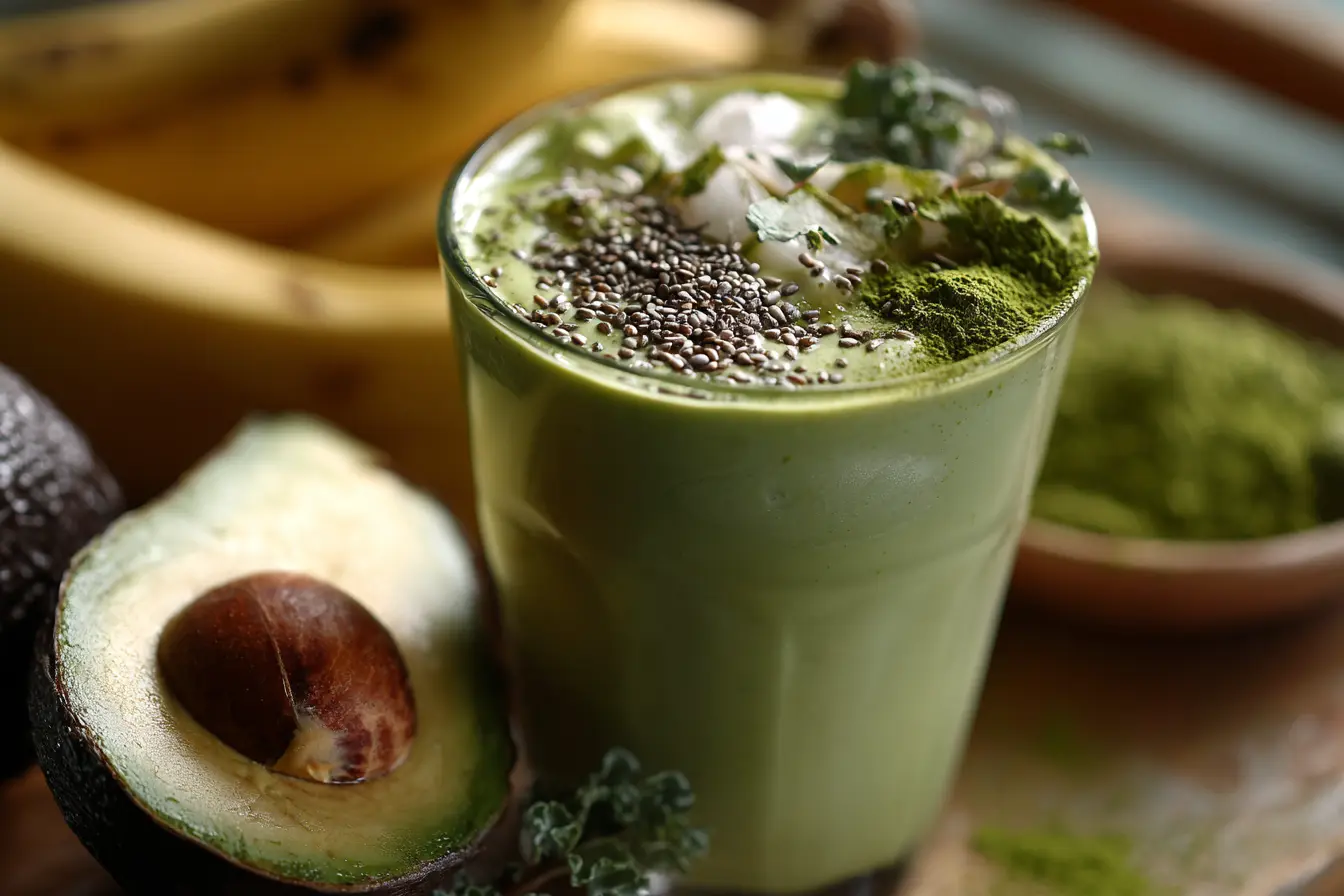
Japanese Mounjaro Recipe
Ingredients
Method
- Brew green tea ahead of time: Steep 1 green tea bag in 1/2 cup (120 ml) of hot water. Let it cool completely in the fridge or over ice.
- Add base liquids: Pour the soy milk and chilled green tea into your blender.
- Add fruits and veggies: Add frozen banana, avocado, and frozen spinach or kale to the blender.
- Add boosters: Sprinkle in the chia seeds, matcha powder, hemp seeds (if using), ginger, and protein powder.
- Flavor boost: Add vanilla extract and squeeze in the fresh lemon juice.
- Blend until smooth: Blend on high for 60–90 seconds, until creamy and smooth. Add ice cubes if a thicker smoothie is desired and blend again.
- Taste and serve: Taste for sweetness or sharpness. If desired, you may add a teaspoon of honey or monk fruit sweetener (Mounjaro-friendly), but it’s often sweet enough without.
- Pour and enjoy: Serve immediately in a chilled glass. Best consumed fresh.
Notes
Japanese Mounjaro Recipe: A Natural Weight Loss Tonic with Eastern Wisdom -
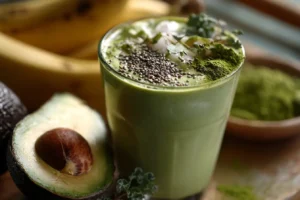
Explore the Japanese Mounjaro recipe—a natural drink combining green tea, fermented ingredients, and metabolic-boosting herbs.
Type: Smoothie
Cuisine: Japanese
Keywords: Japanese Mounjaro Recipe, Japanese weight loss drink, natural Mounjaro alternative, green tea metabolism booster, GLP-1 natural support, fermented foods for weight loss, Japanese diet secrets, Mounjaro-inspired recipe
Calories: 300
Preparation Time: 5M
Recipe Ingredients:
4.81