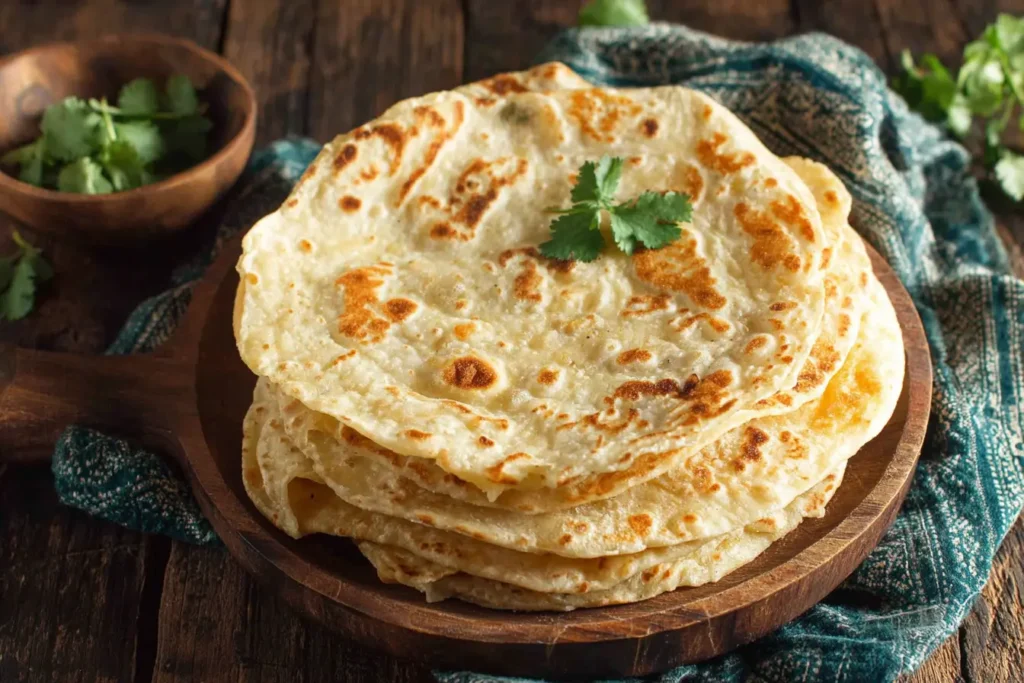
Have you ever wondered why indian flatbread has such a magical ability to transform an ordinary meal into an extraordinary culinary experience? The secret lies not just in their simple ingredients, but in centuries of tradition passed down through generations of skilled hands.
From the tandoor-baked fluffiness of naan to the humble simplicity of roti, indian flatbread varieties offer a window into the diverse regional cuisines of the Indian subcontinent. Each type tells a story of cultural heritage, available ingredients, and cooking techniques unique to different parts of India.
In this comprehensive guide, we’ll explore the fascinating world of traditional Indian breads and learn how to create these delicious staples in your own kitchen. Whether you’re a seasoned cook or a curious beginner, these recipes will help you bring authentic Indian flavors to your table.
Ingredients List
The beauty of indian flatbread lies in its simplicity. While each variety has its own unique ingredients, here are the basic components you’ll need for most types:
- Flour – Typically whole wheat flour (atta) for roti and paratha; all-purpose flour for naan
- Water – Lukewarm water helps with kneading
- Salt – Just a pinch to enhance flavor
- Oil or Ghee – For richness and to prevent sticking
- Yogurt – Used primarily in naan dough for softness
- Yeast – For leavened breads like naan
- Sugar – A small amount to feed the yeast in naan recipes
- Fillings – Various options for stuffed flatbreads like paratha (potatoes, paneer, vegetables)
Substitution Tip: No atta flour? You can use a mix of whole wheat and all-purpose flour (3:1 ratio) as a reasonable substitute. For dairy-free versions, coconut yogurt works wonderfully in place of regular yogurt.
Timing
Understanding the time commitment for each type of Indian flatbread will help you plan your cooking schedule effectively:
Basic Roti: Prep time: 15 minutes | Rest time: 30 minutes | Cook time: 2-3 minutes per roti
Naan: Prep time: 20 minutes | Rise time: 1-2 hours | Cook time: 2-4 minutes per naan
Paratha: Prep time: 20 minutes | Rest time: 30 minutes | Cook time: 3-5 minutes per paratha
The total time investment for most Indian flatbreads is approximately 45-60 minutes for non-leavened varieties (excluding resting time), which is about 30% less time than many Western bread recipes that require multiple rises.
Step-by-Step Instructions
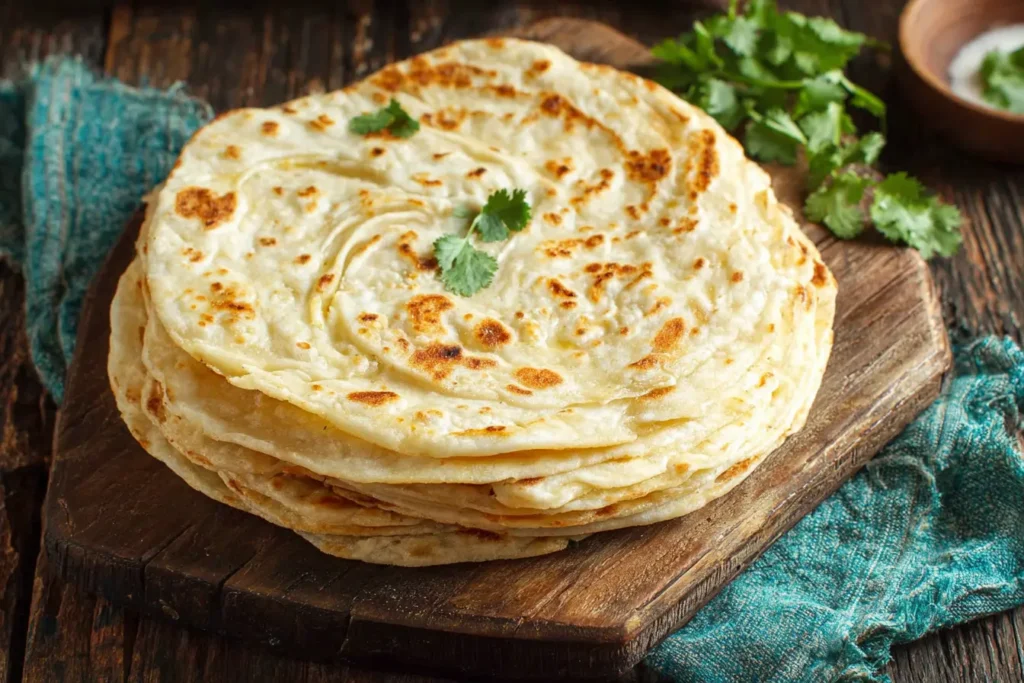
Step 1: Basic Roti (Chapati)
Let’s start with the most fundamental Indian flatbread. Roti, also called chapati, is an everyday staple across India.
- Combine 2 cups whole wheat flour (atta) and ½ teaspoon salt in a large bowl.
- Gradually add about ¾ cup warm water, mixing with your fingers until the dough comes together.
- Knead on a lightly floured surface for 8-10 minutes until smooth and pliable.
- Cover with a damp cloth and let rest for 30 minutes.
- Divide the dough into 8-10 equal portions and roll into balls.
- Roll each ball into a thin circle (about 6-7 inches in diameter).
- Heat a tawa or flat skillet over medium-high heat.
- Place the rolled roti on the hot surface and cook for 30 seconds until small bubbles appear.
- Flip and cook the other side for 30 seconds.
- Using tongs, place the roti directly over an open flame for a few seconds until it puffs up.
- Remove from heat and brush with ghee if desired.
Step 2: Fluffy Naan
Naan is distinguished by its soft, pillowy texture and slight chewiness, traditionally baked in a tandoor oven.
- In a small bowl, dissolve 1 teaspoon active dry yeast and 1 teaspoon sugar in ¼ cup warm water. Let sit for 5-10 minutes until foamy.
- In a large bowl, combine 3 cups all-purpose flour, 1 teaspoon salt, ¼ cup yogurt, and 2 tablespoons melted ghee or oil.
- Add the yeast mixture and about ¾ cup warm water, mixing until a soft dough forms.
- Knead for 8-10 minutes until smooth and elastic.
- Place in an oiled bowl, cover, and let rise in a warm place for 1-2 hours until doubled.
- Punch down the dough and divide into 8 equal portions.
- Roll each piece into an oval shape, about ¼ inch thick.
- Heat a cast iron skillet or heavy-bottomed pan over high heat.
- Dampen your hands and pat one side of the naan with water.
- Place the naan, wet side down, on the hot skillet and cover with a lid.
- Cook for 1-2 minutes until bubbles form, then flip and cook for another minute.
- Brush with ghee and garnish with minced garlic and cilantro if desired.
Step 3: Flaky Paratha
Paratha is a rich, layered flatbread that can be plain or stuffed with various fillings.
- Prepare dough as for roti, but add 1 tablespoon oil to the mixture.
- After resting, divide into 6-8 portions.
- Roll each portion into a thin circle (about 7 inches).
- Brush the surface with ghee or oil.
- Fold the circle in half, then in half again to form a triangle.
- Roll out again into a triangular paratha about ¼ inch thick.
- Heat a tawa or skillet over medium heat.
- Place the paratha on the hot surface and cook until small bubbles appear (about 30 seconds).
- Flip and brush the cooked side with ghee.
- Flip again and brush the second side.
- Press gently with a spatula, rotating the paratha to ensure even cooking.
- Cook until golden brown spots appear on both sides.
Nutritional Information
Understanding the nutritional profile of different Indian flatbreads can help you make informed choices based on your dietary needs:
Plain Roti (1 medium): Approximately 70-80 calories, 15g carbohydrates, 3g protein, 0.5g fat, 2g fiber. Roti made from whole wheat flour (atta) offers more fiber and nutrients than those made with refined flour.
Naan (1 piece): Approximately 260-300 calories, 48g carbohydrates, 9g protein, 5g fat, 2g fiber. The addition of yogurt increases protein content, while the use of all-purpose flour makes it higher in calories than roti.
Paratha (1 plain): Approximately 150-180 calories, 25g carbohydrates, 4g protein, 5-7g fat, 2g fiber. The added ghee or oil increases the fat and calorie content compared to basic roti.
Studies show that whole wheat Indian flatbreads like roti provide a steady release of energy due to their lower glycemic index compared to white flour varieties like naan.
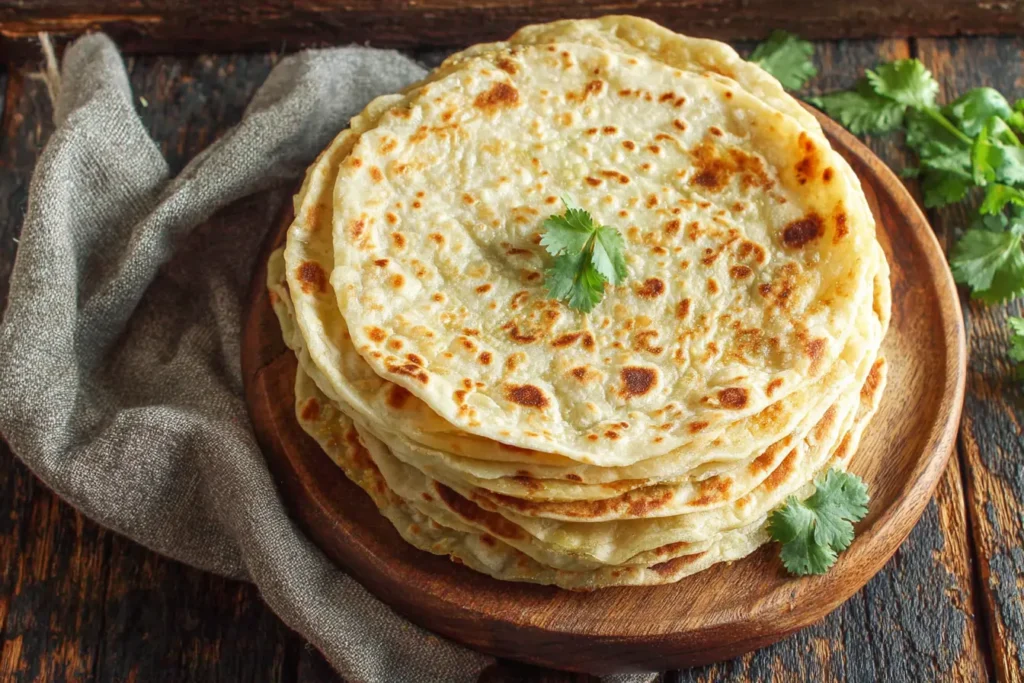
Healthier Alternatives for the Recipe
Looking to make your Indian flatbreads more nutritious without sacrificing flavor? Try these modifications:
For Naan: Replace half the all-purpose flour with whole wheat flour to increase fiber content. Use Greek yogurt for added protein, and brush with olive oil instead of butter or ghee to reduce saturated fat.
For Roti: Add 1-2 tablespoons of ground flaxseed to the dough for omega-3 fatty acids. Incorporate finely chopped spinach or methi (fenugreek leaves) into the dough for added vitamins and minerals.
For Paratha: Use minimal oil for cooking and opt for nutritious fillings like mashed sweet potato, spinach and paneer, or lentils. For a gluten-free option, experiment with a mix of millet flour and chickpea flour.
Serving Suggestions
Elevate your Indian flatbread experience with these serving ideas:
Roti: Serve hot with dal (lentil curry), vegetable curries, or simply rolled up with a smear of ghee. For breakfast, try it with scrambled eggs spiced with turmeric and cumin.
Naan: Perfect for scooping up thick, rich curries like butter chicken or paneer makhani. Cut into triangles and serve with dips like hummus or baba ganoush for a fusion appetizer. Use as a base for quick personal pizzas topped with curry sauce, vegetables, and paneer.
Paratha: Enjoy with yogurt, pickle, and a pat of butter for a traditional breakfast. Serve alongside kebabs or grilled meats for dinner. For a complete meal, pair with a simple raita (yogurt sauce) and a small salad.
Common Mistakes to Avoid abuot Indian Flatbread
- Overworking the dough: Kneading too long can develop too much gluten, resulting in tough flatbreads. Aim for smooth, pliable dough that’s not sticky.
- Incorrect cooking temperature: Too hot, and your bread will burn before cooking through; too cool, and it won’t puff properly. Medium-high heat is typically ideal.
- Rolling too thick or thin: Each flatbread has an optimal thickness. Roti should be thin (about 1-2mm), while naan and paratha are slightly thicker (about 3-4mm).
- Not resting the dough: Skipping the resting period prevents the gluten from relaxing, making the dough difficult to roll and resulting in tough bread.
- Using cold water for mixing: Warm water helps activate the gluten development better than cold water, resulting in more pliable dough.
Storing Tips for the Indian Flatbread
Keep your Indian flatbreads fresh and delicious with these storage strategies:
Short-term storage: Stack cooled flatbreads with a paper towel between each piece, then wrap in aluminum foil or place in a ziplock bag. Store at room temperature for 1-2 days.
Refrigeration: Place in an airtight container lined with paper towels and refrigerate for up to 3-4 days. Reheat in a dry skillet or microwave with a damp paper towel over them to restore softness.
Freezing: Place parchment paper between each flatbread, stack them, and wrap tightly in plastic wrap, then aluminum foil. Freeze for up to 2 months. Thaw at room temperature and reheat on a hot skillet.
Make-ahead tip: Prepare the dough in advance and refrigerate for up to 24 hours. Bring to room temperature before rolling and cooking for fresh flatbreads without the full preparation time.
Conclusion
Indian flatbreads represent not just a culinary tradition but a cultural heritage that has evolved over thousands of years. From the humble roti that graces everyday meals to the indulgent naan reserved for special occasions, these breads offer something for everyone.
By mastering these basic recipes, you’ve gained access to an essential component of Indian cuisine that can transform your home cooking. The versatility of these flatbreads means they pair beautifully with dishes from many cuisines beyond Indian food.
We’d love to hear about your experiences making these flatbreads! Did you try any creative variations? Share your photos and tips in the comments below, or tag us in your social media posts. And if you enjoyed this guide, be sure to explore our other Indian cuisine recipes for complete meal inspiration!
FAQ for the Indian Flatbread:
- What are the different types of Indian flatbread?
Indian flatbreads include naan, roti, paratha, chapati, bhatura, and puri, each with its own ingredients, texture, and method of preparation. - Is Indian flatbread the same as naan?
Naan is a type of Indian flatbread, typically made with yogurt and baked in a tandoor. However, there are many other kinds like roti and paratha. - Which Indian flatbread is healthiest?
Roti or chapati, made with whole wheat flour and little to no fat, is considered one of the healthiest options. - Can I make Indian flatbread without a tandoor?
Yes, most flatbreads like roti and paratha can be made on a regular skillet (tava). Naan can be adapted for stovetop or oven cooking. - What do you eat with Indian flatbread?
Indian flatbreads are served with curries, lentils, vegetables, and even stuffed or layered with fillings for a complete meal.
Exploring Indian Flatbreads: A Guide to Naan, Roti, Paratha & More -
Discover the delicious world of Indian flatbreads with our complete guide. Learn the differences between naan, roti, paratha, and more
Recipe Ingredients:
5