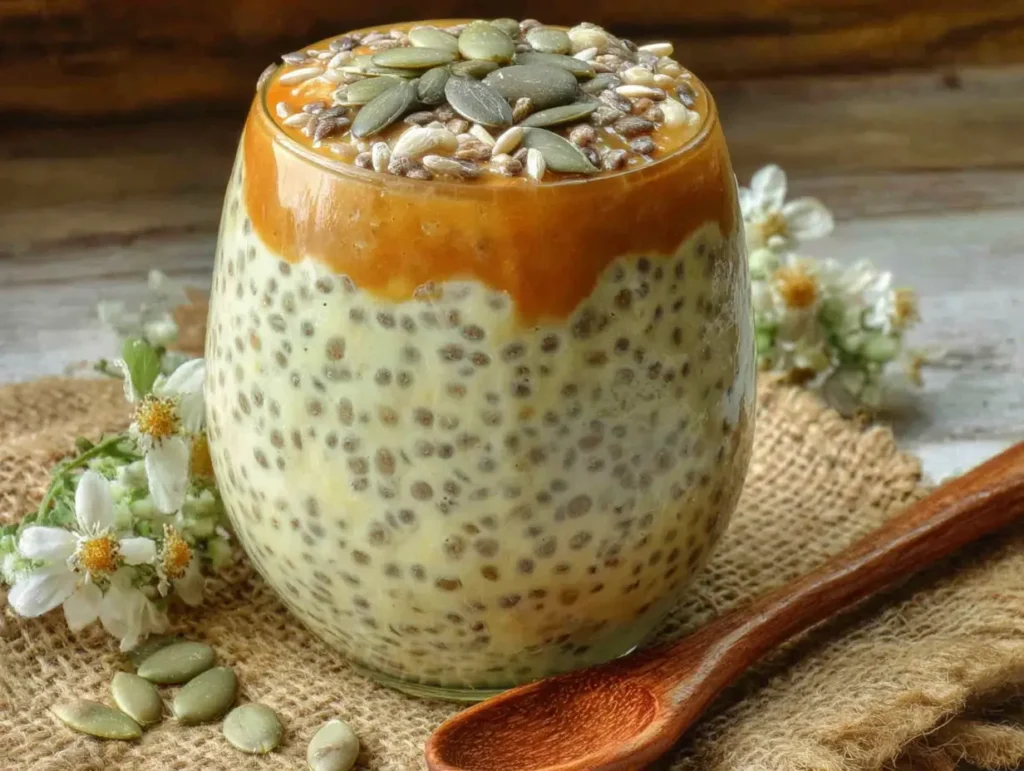
Have you ever wondered how something as small as a seed could make such a massive difference in your post-bariatric surgery journey? While many focus on protein shakes and purées, the humble seed might be the nutritional powerhouse you’re overlooking.
After weight loss surgery, finding the right bariatric seed recipe can be a game-changer for your nutrition plan. These tiny nutritional giants pack protein, fiber, and essential nutrients into a form that’s gentle on your new digestive system while supporting your weight loss goals.
Today, I’m sharing a versatile chia pudding bariatric seed recipe that’s become a staple for many of my post-surgery clients. It’s simple to prepare, customizable to your taste preferences, and most importantly, aligned with bariatric dietary guidelines.
Creamy Vanilla Chia Seed Pudding: A Bariatric-Friendly Delight
This pudding offers the perfect balance of protein, healthy fats, and minimal carbs while being gentle on your post-surgery stomach. It’s an excellent option for breakfast or a satisfying snack that won’t compromise your weight loss progress.
Ingredients List
- 2 tablespoons chia seeds (packed with omega-3 fatty acids and fiber)
- ½ cup unsweetened almond milk (or any low-sugar milk alternative)
- 2 tablespoons unflavored protein powder (provides 10-15g protein)
- ¼ teaspoon pure vanilla extract (for flavor without added sugar)
- 1-2 drops liquid stevia or monk fruit sweetener (optional, for sweetness)
- Pinch of cinnamon (helps regulate blood sugar levels)
- 1 teaspoon ground flaxseed (optional, for extra fiber and omega-3s)
Substitution options: Replace almond milk with lactose-free milk if dairy is tolerated. Swap chia seeds with ground flaxseed bariatric meals (use 1.5 tablespoons instead) for a different texture. For added protein, consider using Greek yogurt in place of some of the liquid.
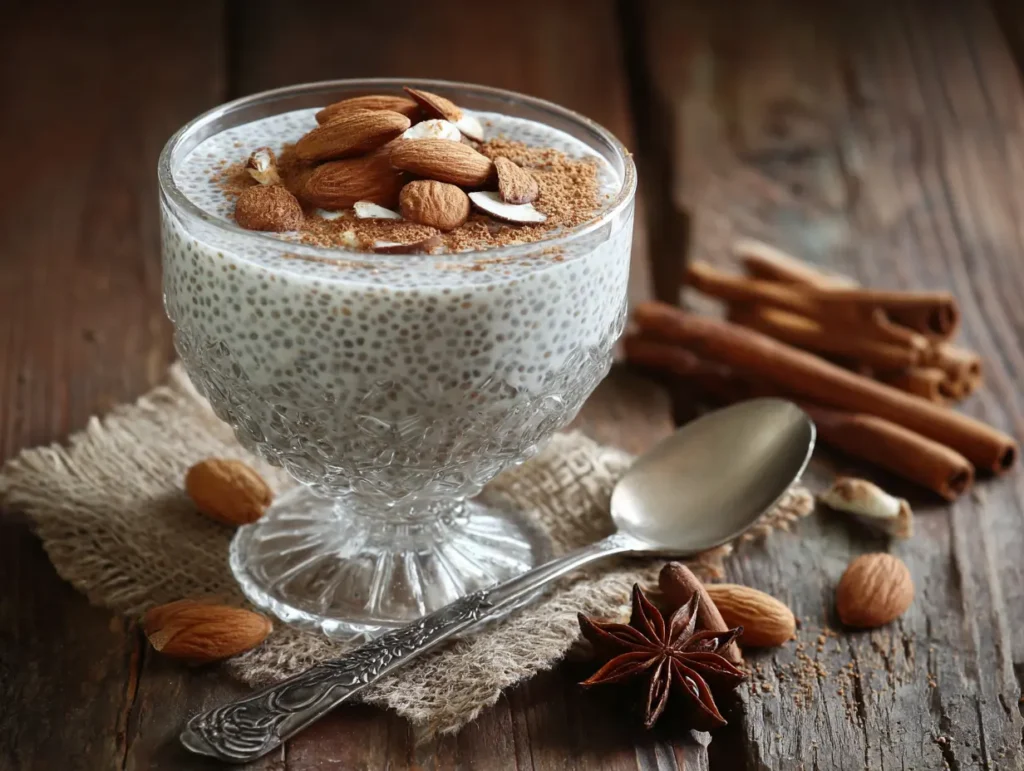
Timing
- Preparation time: 5 minutes (active)
- Setting time: 4 hours or overnight (passive)
- Total time: 4 hours 5 minutes (only 5 minutes of active work!)
This recipe requires minimal hands-on time—just 5 minutes of preparation—making it 75% more efficient than most breakfast options while fitting perfectly into a busy post-surgery lifestyle.
Step-by-Step Instructions
Step 1: Combine Dry Ingredients
In a small mason jar or container with a lid, combine the chia seeds, protein powder, and ground flaxseed (if using). Stir briefly with a small whisk or fork to evenly distribute the ingredients and break up any clumps in the protein powder.
Step 2: Add Wet Ingredients
Pour in the almond milk, vanilla extract, and your chosen sweetener. For best results, ensure your liquid is cold, as this helps prevent clumping of the chia seeds. The ratio of liquid to chia is crucial—too much liquid will result in a runny pudding that won’t satisfy.
Step 3: Mix Thoroughly
Secure the lid and shake vigorously for 30-45 seconds until all ingredients are well combined. This vigorous shaking is essential—it prevents the chia seeds from clumping together, ensuring a smooth, pudding-like consistency rather than gelatinous clumps.
Step 4: Initial Rest Period
Let the mixture sit for 10 minutes, then shake again. This intermediate shake is the secret to perfect texture—it breaks up any seed clusters that may have formed during the initial gelling phase.
Step 5: Refrigerate
Place in the refrigerator for at least 4 hours or overnight. The longer it sits, the thicker and creamier it becomes. For bariatric patients, this longer setting time creates a texture that’s easier to tolerate and more satisfying in smaller portions.
Step 6: Serve and Enjoy
When ready to eat, give it one final stir. If the pudding seems too thick, add a splash of almond milk. For added nutrition and interest, top with a teaspoon of pumpkin seeds or a few sliced strawberries if your post-surgery diet stage allows.
Nutritional Information
This bariatric seed recipe delivers impressive nutritional benefits in a small, digestible serving:
- Calories: 165 per serving
- Protein: 12-15g (depending on protein powder used)
- Carbohydrates: 8g
- Fiber: 7g (helps prevent constipation, common after surgery)
- Fat: 9g (healthy omega-3 fatty acids)
- Sugar: Less than 1g
This nutritional profile aligns perfectly with bariatric guidelines, providing 25-30% of your recommended daily protein intake in just one small serving, while keeping carbohydrates minimal and focusing on nutrient density.
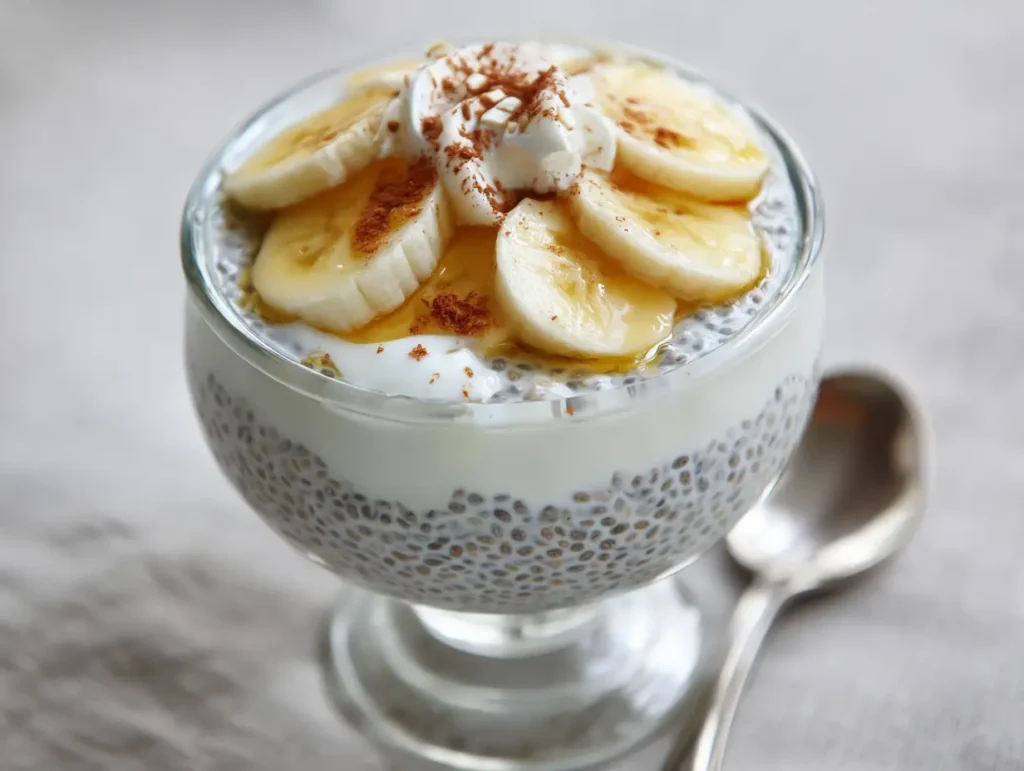
Healthier Alternatives for the Recipe
While this recipe is already optimized for bariatric patients, here are some variations to keep it interesting:
- Chocolate version: Add 1 teaspoon unsweetened cocoa powder for a chocolate pudding with minimal added carbs.
- Berry infusion: Mash 2-3 fresh berries and stir them in before refrigerating for natural flavor and antioxidants.
- Pumpkin spice: Replace vanilla with ¼ teaspoon pumpkin pie spice for a seasonal treat.
- Protein boost: Use Greek yogurt for half the liquid portion to increase protein content by 5-7g.
- Digestive support: Add ¼ teaspoon ground ginger to help with digestion if you’re in the early post-op stages.
Serving Suggestions for Bariatric Seed Recipe
This versatile bariatric seed recipe can be enjoyed in multiple ways:
- Morning fuel: Enjoy as a protein-rich breakfast to start your day with sustained energy.
- Pre-portioned snack: Prepare in small 2-oz containers for perfectly sized bariatric snacks.
- Dessert alternative: Serve chilled with a sprinkle of cinnamon for a satisfying sweet treat without sugar.
- Post-workout recovery: The protein-to-carb ratio makes it ideal for muscle recovery after gentle exercise.
- Medication companion: The smooth texture makes it helpful for taking vitamins or medications if approved by your doctor.
Common Mistakes to Avoid about Bariatric Seed Recipe
- Using too much liquid – The proper chia-to-liquid ratio is crucial. Too much liquid creates a runny consistency that won’t satisfy bariatric patients’ need for textured foods.
- Skipping the protein powder – After bariatric surgery, protein is paramount. Without it, this recipe won’t meet your nutritional needs. Studies show bariatric patients need 60-80g of protein daily.
- Not mixing thoroughly enough – Insufficient mixing leads to clumpy pudding with dry pockets of seeds. The double-shake method prevents this common issue.
- Adding high-sugar toppings – Resist adding honey, maple syrup, or high-sugar fruits. These can trigger dumping syndrome in many post-surgical patients.
- Consuming too large a portion – Start with just 2-3 tablespoons and see how your body responds, especially if you’re less than 6 months post-op.
Storing Tips for the Bariatric Seed Recipe
Proper storage ensures you always have a bariatric-friendly option ready when hunger strikes:
- Prepare multiple servings in individual containers for grab-and-go convenience throughout the week.
- Chia pudding stays fresh in the refrigerator for up to 5 days in airtight containers.
- If the pudding thickens too much during storage, simply add a teaspoon of almond milk and stir before eating.
- Avoid freezing, as this changes the texture significantly and makes it less palatable.
- For travel, use insulated containers with ice packs to maintain freshness for up to 4 hours.
Conclusion
Incorporating seeds into your post-bariatric surgery diet doesn’t have to be complicated or bland. This simple chia pudding recipe demonstrates how powerful these tiny nutritional powerhouses can be in supporting your weight loss journey while providing essential nutrients.
Remember that your dietary needs may evolve as you progress through different stages of recovery. Always consult with your bariatric dietitian before introducing new foods, even nutrient-dense options like this chia pudding.
Have you tried incorporating seeds into your post-surgery diet? I’d love to hear about your experiences, modifications, or questions in the comments below! And if you found this recipe helpful, please share it with others in your bariatric support community who might benefit from adding more nutrient-dense options to their meal plan.
FAQ for Bariatric Seed Recipe
Q1: Why are seeds good for bariatric patients?
Seeds like chia, flax, and pumpkin are rich in fiber, protein, and healthy fats, which support satiety and nutrient absorption after bariatric surgery.
Q2: Can I eat seeds right after bariatric surgery?
It’s best to wait until you reach the soft foods stage (typically 4–6 weeks post-op) and consult your surgeon or dietitian before adding seeds.
Q3: Which seeds are easiest to digest for bariatric patients?
Ground flaxseeds and soaked chia seeds are usually easiest to digest, as they become soft and gentle on the stomach.
Q4: How can I add seeds to my bariatric diet?
Seeds can be mixed into smoothies, yogurt, soups, or made into puddings for easy digestion and added nutrition.
Q5: How much seed should I eat per day?
Start small—1 teaspoon to 1 tablespoon per day—and increase gradually, as tolerance varies after surgery.
The Best Bariatric Seed Recipe for Post-Surgery Nutrition -
bariatric seed recipe designed for post-surgery recovery. These recipes use chia, flax, and pumpkin seeds to support healing, boost protein, and promote long-term weight loss
Calories: 165
Recipe Ingredients:
5